Category: review

  • Book Review: Winter Garden by Kristin Hannah

    Book Review: Winter Garden by Kristin Hannah

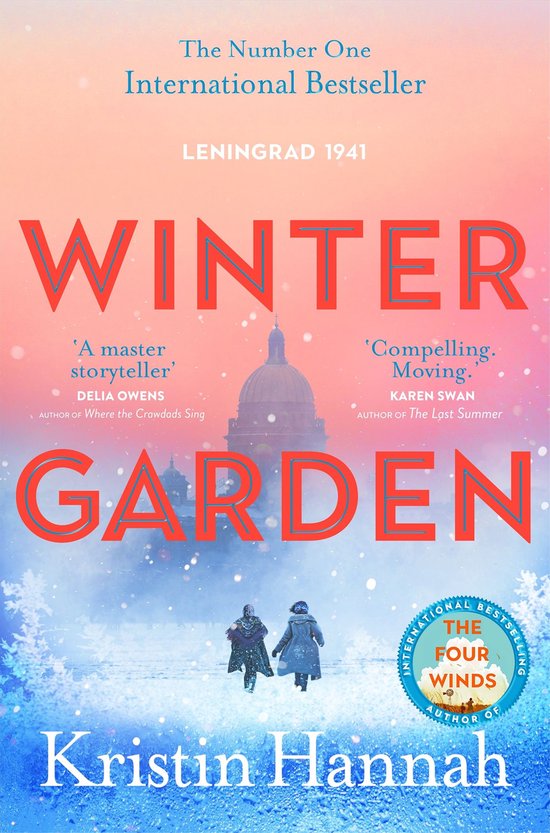
    With all the times I have mentioned Hannah and her books on my blog, it is strange that I have only one review of her posted. The most recent book I read by her is Winter Garden, a book about The Great Terror and War in Russia.

    The story follows a dual timeline, the first one set in the present. Sisters Nina and Meredith are completely different from each other, and after the passing of their father, it feels like their family is falling apart. Their mother has been cold and distant their whole life, the only exception being when she used to tell her daughters a Russian fairy tale. Now that the three of them are left, they seem to float away from each other, except that they made their dad a promise on his deathbed: Anya would tell the fairy tale, but this time the whole story. Both sides are reluctant at first, but when Anya finally starts to talk, the whole story pours out in bits and pieces. The girls come to realise that this is no ordinary fairytale, as they slowly uncover their mother’s past in Leningrad Russia, during the siege. As they near the ending, they will discover if the heartbreak is too great to bear, or if the unveiling of the secrets will finally bring them closer together.

    For the first time ever after finishing a Kristin Hannah book, I am torn. On the one hand, the story of Meredith, Nina and their mother moved along really slowly, and though I usually like this since it gives you time to really get to know and connect with the characters, it felt a bit too slow for me. On the other hand, I was completely enraptured with the story of Leningrad, which made me fly through the book as a whole, because I always wanted to get to those parts of the story. While Hannah’s strength lies in carving out complete and rich characters and making you connect to them, Anya in the past felt like a completely different person from Anya in the present. I couldn’t connect to the woman telling the story. As we get further into the ‘fairytale’, we learn more about how she came to be like this and the trauma she went through. My heart really broke for her in that part of the story, and I understand how events like that can completely change a person.

    However, I found the ending a bit difficult to grasp. It filled me with a lot of sadness, for obvious reasons I cannot say without giving away spoilers, but also for the years lost with Nina and Meredith. The relationship with their mother has always been very cold and difficult, and though her story does give an explanation for her behaviour, I don’t feel like it makes up for it. She was able to open up to her husband, but not to her daughters until it is almost too late. Nina and Meredith show a lot of compassion and understanding for their mother after hearing what she went through, understandably so, but the book made it seem as if this erased all of their previous suffering, which I didn’t find as realistic. It all felt resolved in the end, while I think some degree of complex feelings would remain.

    That being said, this was the only thing that bothered me while reading this book, because as I said before the historical part of the novel was wonderful. The descriptions felt incredibly vivid and my heart breaks for anyone who lived through this, anyone who has family or friends who lived through this, or anyone who is going through something similar. reading books like these allow me to learn more about the world and history, which is incredibly important and gives me a better understanding of other people.

    I have not read a single Kristin Hannah book that I have not thoroughly enjoyed, and although this one is not my favourite by her, it is still no exception to this. I would highly recommend it to anyone who is interested in this part of history and who enjoys an intense character build-up.
  • Favourite Book of March: Project Hail Mary by Andy Weir

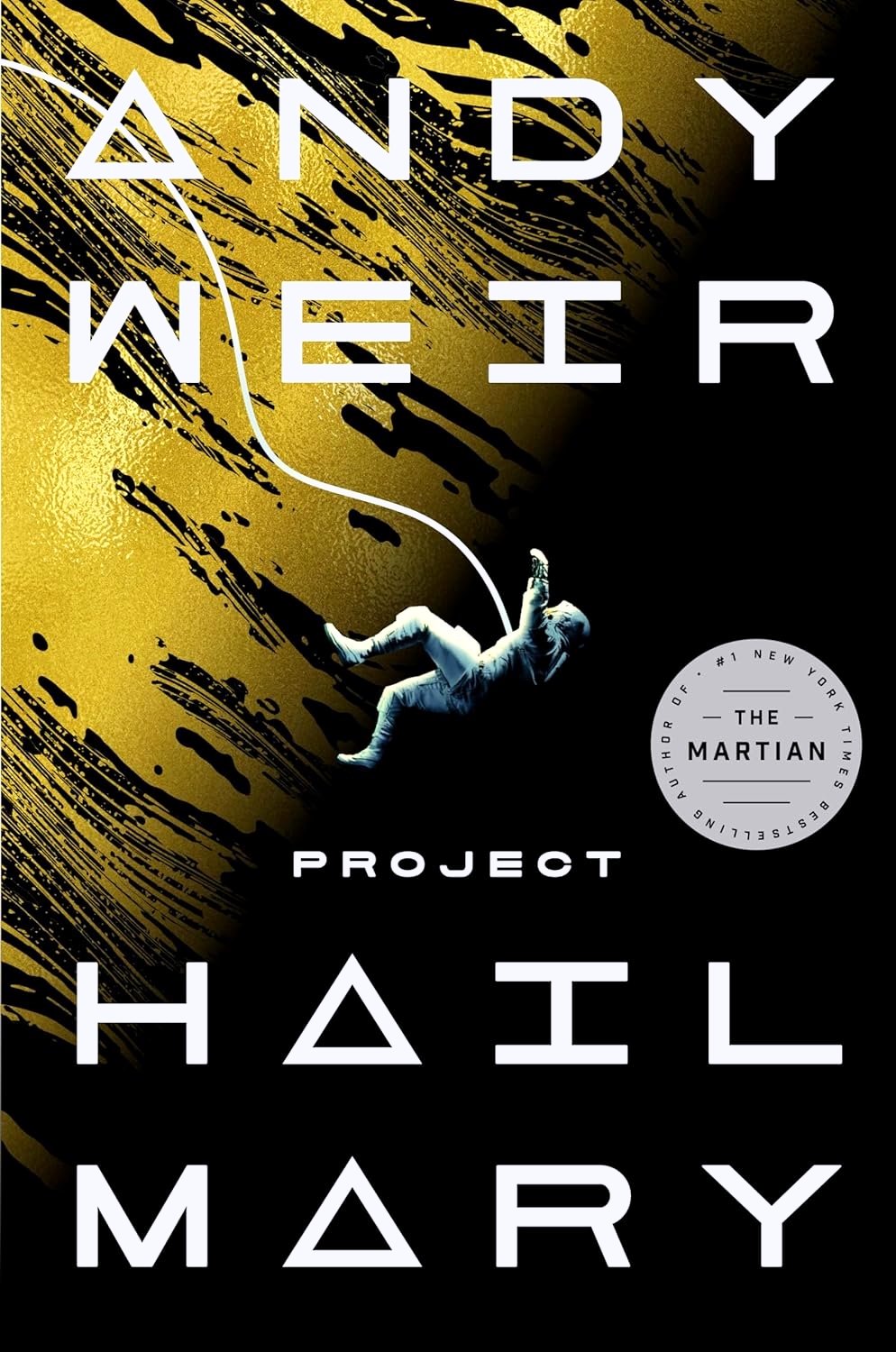
    Favourite Book of March: Project Hail Mary by Andy Weir

    You may have seen this title floating around lately, either as a book cover or as a movie poster with Ryan Goslings face on it. Project Hail Mary has taken both book- and movie lovers by storm lately as the space story of the year. While the book has been out for some time now, the movie released on March … and has brought the book into the spotlight again. I encountered the title before I knew it was being made into a movie and it already peaked my interest, but when I saw the film came out soon I picked it up immediately. And while I was spoiled for choice in terms of picking a favourite book out of the ones I read in March, Project Hail Mary launched its way right to the top. By reviews I had seen before, I was pretty confident I was going to like this book, but I could not have predicted how much I was going to love this book. This sciencefiction novel takes place mostly in space, which is a topic I have never read about, and it surpassed all of my expectations. I am thoroughly impressed with Weir’s ability to create an emotional story about a setting that is so foreign to most of us, and imbue it with science that elevates the story, but in a way that is graspable for most readers. And, while I am excited to watch the movie now that is has come out, I am hesitant that it can do the book justice, because this story was truly wonderful.

    Plot

    When scientists discover a new form of life in space, the first reaction is of course elation. But excitement at the discovery quickly turns sour when it becomes clear that these micro-organisms are effectively eating the sun’s energy. This will have a mountain of negative effects on the earth’s climate, ecosystems and life, meaning human rage wouldn’t survive. The micro-organisms spread from star to star, and all solar systems fall victim to this ‘infection’, except for one star. Why is that star not infected? That is exactly what Ryland Grace is sent to find out. The only problem is that when he wakes up aboard the Hail Mary, he has no idea who he is, where he is, let alone that he is responsible for saving the entire earth. With the weight of the world on his shoulders, Ryland will have to remember the past and save the future. But maybe he is not alone in this endeavour after all.

    One of the qualities that made this book so enjoyable the whole way through, is how funny the protagonist is. Waking up alone in outer space with no idea about who or where you are? Leave it to Ryland Grace to make even this situation funny. He is also one of the most resourceful characters I have ever read about, which is arguably a great trait to have when on a space mission to save humanity. As a problem-solving mindset and a dosis of humour is probably well suited when hurtling through space on a huge ship on your own, he was the perfect main character for this book.

    I also gravely admire Weir’s ability to explain scientific topics in a way that is graspable for laymen reading this book. I felt like I could actually understand everything going on with both the space ship and the organisms, even though I have no scientific background. And even when things got too complicated, he would summarise in no uncertain terms. For instance, he would explain a lot of technical things, and then say: basically, the engine is broken. This makes the book perfect both for people who like to exercise their mind while reading and learn new things, and people who just want to enjoy the story without having to strain their brain.

    Characters

    While I have already talked about the protagonist, who takes up most of the story as he is alone in space, there were other characters explored in the flashbacks of him getting back his memory. Start is tasked with orchestrating a solution for this problem and the one who recruits Ryland for the mission. She is a morally grey character, which was very interesting to both read about and to follow along her arguments. Some of her choices were questionable, but it does make us think about the circumstances in which laws and morality should be bent. She was a powerhouse of a woman though, getting where and what she wanted, admitting she would deal with the consequences of her actions later.

    Ilyukhina was another character I enjoyed, as she had an interesting attitude towards the whole mission. All of the astronauts who volunteered to give up their own life in order to save everyone else are really admirable and it made me happy to think there would actually be people like that if a similar situation were to arise.

    !!SPOILERS!!

    (don’t read past this point if you haven’t read the book or watched the movie)

    Now, Rocky was my absolute favourite character out of all of them. When I said Ryland was a resourceful character, Rocky was even more so and the two really complemented each other, both in terms of knowledge and skill, and in terms of comfort. I thought it was wonderful to see their connection grow and find their friendship to be at the heart of what makes this novel so incredible. Their way of communicating was also interesting, and the way Rocky’s sentences were written gave him a lot of character. He is one of the things I am most excited to see adapted to screen.

    When I truly enjoy a book and more specifically its characters, I always find it a bit hard to say goodbye at the end. I really felt that with Project Hail Mary, especially since the ending was left a bit open. There was no true happy ending possible for me, as it either meant one of them would never see their own civilisation again, or that they would never see each other again. Of course, the happy ending lies in both of them saving their planets, and while I was happy to see Grace live on their planet for a few years, I couldn’t help thinking it must be so lonely to never see humans again, never feel a touch again, and never have the satisfaction of showing earth you survived against all odds. The ending leaves the possibility of him returning open, but even then he would again lose years in his travels, not being certain he would even survive, and having missed decades on earth. Perhaps this impossibility of a true happy ending is why Weir left it slightly open, but regardless I was relieved when Grace went back to save Rocky and that he managed to eventually survive on their planet. 

  • Book Review: Anxious People by Fredrik Backman

    Book Review: Anxious People by Fredrik Backman

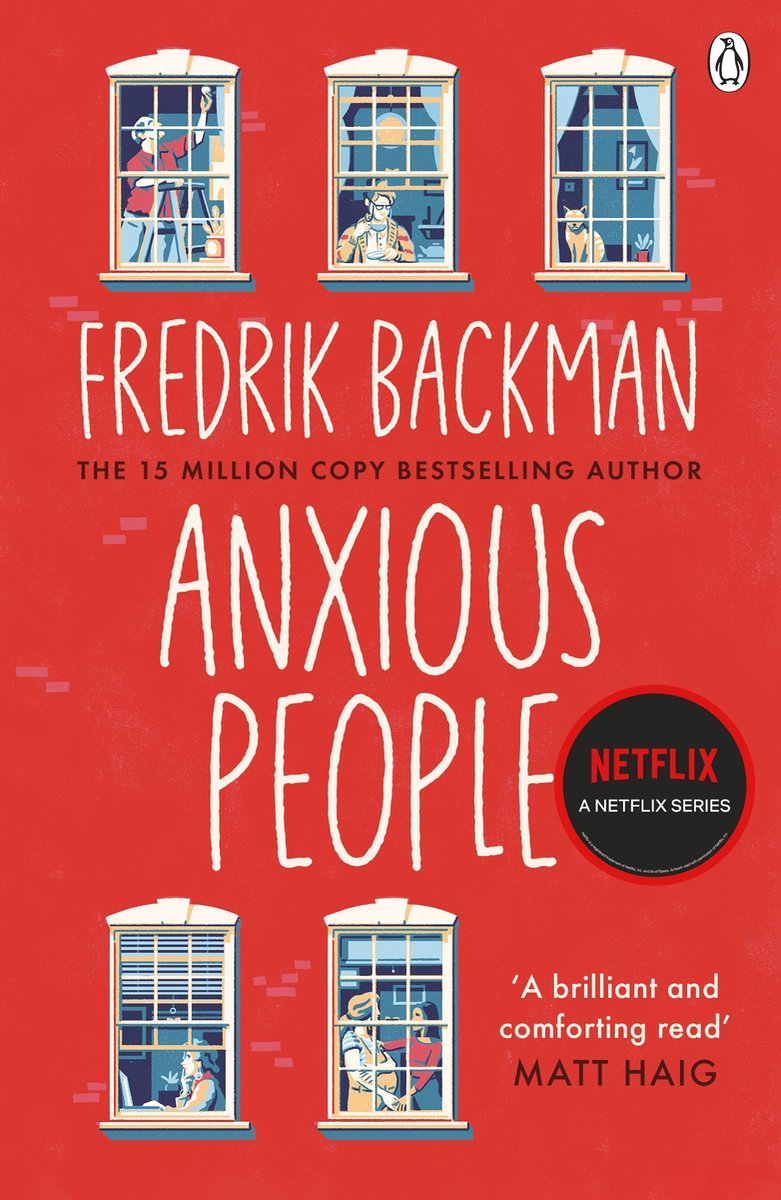
    One of my reading goals this year is to read more books by Fredrik Backman, because I have enjoyed all three of the books I read by him immensely. His writing style is unique, his characters bravely vulnerable and his stories heartwarming. While I have already mentioned some of his books in my other articles, I want to write a full review on Anxious People, because it is by far my favourite and I want to read it again this year. Not only is the plot unique, but the way the characters all came together was so hopeful. In times where humanity is often so divided, books like these really matter.

    When a bank robber loses control of the situation and runs into an apartment building across the street, the robbery turns into an involuntary hostage situation. Unbeknownst to the robber, the apartment in question is currently hosting an open house for prospective buyers. With a pistol pointed at them, the people in the apartment anxiously huddle together. With police gathering outside and the unlikely group of people inside stuck in a sticky situation, who knows how this will end? But maybe people have really bad ideas sometimes, and maybe some people are lonely while others are desperate. Maybe we are all just anxious people, trying to get through life together.

    While a dry description of the plot might sound like a thriller, the way Backman goes about writing his book makes it a humorous situation. From page one you are smiling as he calls the bank robber an idiot and urges you to think about biscuits. His writing is unlike any other, and I think I would be able to read a passage and say it is written by him without knowing it in advance.

    He also manages to make even the most unlikely situation relatable, which is a real feat. One of the reasons I have loved reading my whole life, is because it gives you an insight in the minds of so many others, which offers an understanding of humanity in ways living life is unable to. For instance, the bank robber. Of course most of us would never rob a bank (at least I hope so), and while this book does not suddenly make that allright, or while not everyone would do the same if they were in that situation, Backman makes us understand why the robber did it, and makes us feel for them.

    You probably have someone in your life whom you’d do something stupid for. But obviously you would still never rob a bank. Of course not. But perhaps, though, you’ve been in love? Almost everyone has, after all. And love can make you do quite a lot of ridiculous things.

    This innate understanding of people’s motivations, even if we don’t agree with them or wouldn’t do it ourselves, is what makes this book so important and what makes Backman such a notable writer.

    His character work is also one of the main characteristics of most of his work and Anxious People is no different. There’s Anna-Lena and Roger, who have been married for a while and are trying to find ways to save their marriage, Julia and Ro who are about to become parents and are dealing with it very differently, A lonely bank manager Zara, or Estelle who seems to be pleased to just be around so many people even if she doesn’t know them. Then there is the robber, or the police agents. Every single character is well-developed and different from the others. We are given their background, what drives them and how they became the way they are. A cast of characters different in age, beliefs, past and situations, but who are thrown together into an anxious situation. I love when different storylines and characters are separately developed and then come together, which is exactly what happened in this book.

    Finally, there were many absurd elements in this book, that made the storyline extra entertaining. But what I found even more impressive is that they all made sense in the end. They were not just elements added to hook readers, but they were a true value to the storyline and contributed to making all of the pieces come together.

    I always find it difficult to write a full review on a book without giving spoilers. But, I hope I have successfully conveyed my enthusiasm and love for this book by highlighting what made it so great, and that I have convinced you to read it as well.

    Follow me on instagram @tonis_bookcorner

  • Book Review: The Great Alone by Kristin Hannah

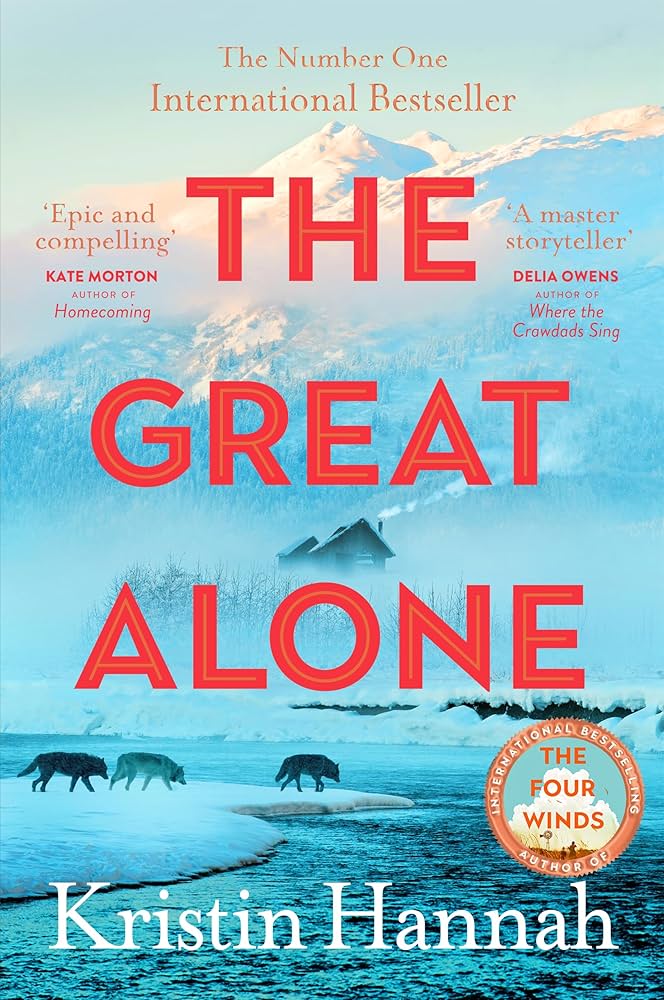
    Book Review: The Great Alone by Kristin Hannah

    It will come as no surprise that Kristin Hannah is one of my favourite authors. With nine of her books read so far and two of them twice, her writing has ensured me that I will enjoy every on of her books and that I will cry at every one of her books. It is far too difficult for me to pick a favourite out of her masterpieces, but there are two that I have read twice already, and one of them is The Great Alone. It is a beautiful story about strength and resilience, and the beauty of Alaska is highlighted in such a wild and untamed way that feels refreshing. There are many themes, metaphors and things to discuss, so let’s get into it.

    Plot

    Lenny and her parents have been moving around ever since her father has come back from the war. The country is changing and so is her father, Ernt, whose restless spirit prevents the family from finally grounding somewhere. This time, he has inherited a plot of land from a friend up in Alaska, and he promises this is the fresh start they need. Away from the politics, away from the protests, away from the people ruining the country and away from society. The land of Alaska is wild, and living there is not for the fainthearted. But slowly, the three find their way in their new environment. As they learn to live from the land and self-provide, it seems her Lenny’s father is finally happy and their new home looks to be permanent. However, beautiful and wild as Alaska is, the outside sometimes reflects the wildness from within and when winter falls, darkness is all-encompassing. As Ernt’s mental state starts to deteriorate worse than ever, Lenny and her mother realise they will soon find out what is worse: the threats from the outside, or the dangers from inside.

    Themes

    There are a few themes that are quite prevalent in the book and that are important to the plot. For instance, the opposition of community versus self-sufficiency. When the family arrives in Alaska, they come there to live away from society and provide for themselves. At the same time though, they are wholly unprepared for what it truly takes to survive in the last frontier, and heavily rely on the help of the local community. Everyone comes together, helps build sheds, shares and trades foods and materials. So although people leave the masses behind, these places have the strongest communities I have ever read about. I found it perfectly showed how quality of relations is much more important than quantity, which was portrayed beautifully with the people of Kaneq.

    Another important theme is resilience, which goes hand in hand with strength. These people have to be extremely tough to survive in extreme circumstances of darkness, cold and danger. Things don’t work from the first time, and new challenges arise every day in Alaska, which is where the people’s resilience really comes to the fore. Lenny and her mother especially deal with more than just their environment in surviving, but their strength and character makes them fit right in with the Alaskans. These two themes go hand in hand, because strong people can build an even stronger community, and a tight community with people helping and teaching each other makes for smart and resilient people.

    Finally, I found symbolism in this book, a theme that heightened the reading experience. What Phoebe said about Wuthering Heights in Friends, applies for The Great Alone as well. The wildness of the land is clearly reflected in Ernts character, made even more apparent by the clear influence of the seasons on his mental state. When the days are long and the land flourishing, he is more patient and forbearing, but when winter starts creeping up the darkness creeps inside their home as well. This connection between Ernts character and the land made it more tangible for readers and conveyed the direness of the situation Lenny and her mother found theirselves in.

    The Great Alone is another clear hit for me. It shows the strength people can find in themselves, the beauty of uncontrollable land and the unforgiving nature of, well, nature. How much forgiveness should we show the people we love, and what is the final straw that makes us say, no more? As all Kristin Hannah’s books, this is not merely a story about a family moving to Alaska, but rather a story about people coming together, building a community, and strong relationships. Beware, because it is a tearjerker, but one that will open your eyes to the beauty of the wild.

  • Book Review: The Favourites by Layne Fargo

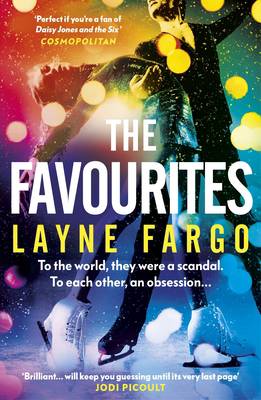
    Book Review: The Favourites by Layne Fargo

    They were an obsession, then a scandal, and ultimately… a tragedy

    A glittering world of competition, a destructive love inspired by a decades old classic, and a devastating moment that had the whole world hold their breath. That is what you will get into if you read The Favourites. The story is complex and compelling, and full of themes of love and betrayal. I promise you will not get bored.

    Plot

    The Favourites is about Katarina Shaw, who knows from a young age that she is meant to compete at the Olympics in ice dance, and Heath Rocha. He is a lonely kid stuck in the foster-care system, and when Kat and Heath meet each other, their connection is instant. Their chemistry continues onto the ice as they grow from childhood sweethearts to a force to be reckoned with on the ice. Already notorious in the public eye for their beautiful ice dancing, rebellious streak and up-and-down relationship, everything explodes when a dramatic turn of events at the Games themselves destroys their partnership in front of the whole world. No one truly knows what happened, so when ten years later a tell-all documentary is released, everyone is eagerly watching. Will Kat break her silence and change her narrative? Or is the truth as scandalous as everyone believes it to be?

    By now, I’ve hear it all: Katarina Shaw is a bitch, a diva, a sore loser, a manipulative liar. Cold-blooded, a cheater, a criminal. An attentions whore, an actual whore. Even a murderess. Call me what you want. I don’t give a damn anymore.

    My story is mine, and I’ll tell it the same way I skated: in my own way, on my own terms. We’ll see who wins in the end.

    Narration

    Told in a documentary style, the people close to the protagonists Katarina Shaw and Heath Rocha, or the people who were involved in what happened ten years earlier each tell their version of events, filling in the blanks to finally share with the world, and the reader, how it all went down. This type of narration makes the story extra compelling and immersive, and heightens the pacing. You are constantly getting a new point of view, receiving more information and hearing different voices, so it never gets boring. You can almost hear the crowd roaring in the distance, see the camera flashes, and feel the cold of the ice on your face while reading. The way this story is told fits perfectly with the scandalous nature of the plot and really took the novel to a higher level.

    Former olympic ice dancer Ellis Dean speaks to an interviewer in a West Hollywood bar.

    Ellis Dean: We used to joke they were going to die in each other’s arms or kill each other with their bare hands. Nothing in between.

    Figure skating coach Nicole Bradford is interviewed in her suburban Illinois kitchen.

    Nicole Bradford: They were the most talented skaters I’ve ever worked with, no question. But looking back… yes, I could see the signs of trouble to come.

    Characters

    There were a lot of different characters in this book, both because of the style of narration and the competitive world of fame and elite sports. The protagonists and main side characters were well fleshed out, and the inspiration from Wuthering Heights is especially visible in the characters of Kat and Heath. While Heaths temper is reminiscent of Heathcliffs violent nature, he is more mellow than his original, but because of the modern setting that was a good thing. He was similar enough that his and Kats characters clashed when they had to, but dialed down enough that he is palatable for a modern context where too much temper or even violence would not be accepted by readers for a protagonist. Kat was just as selfish, venomous and manipulative as Brontë’s Catherine, but her reasons for acting that way were always there. We can see how she grew up and got to where she was, and how the competition and rise to fame get to her. Though we can see how Kat and Heath are not always good for each other, I was still rooting for them to make it. They truly met their match in each other.

    The many side characters support the character arc of our protagonists, because they enable the situations they get in. It feels like a chain reaction of people setting each other off and starting the development of events. The twins and their mother were important side characters, who are also clearly inspired by Brontë’s original, but Fargo made adjustments where necessary for them to fit into this modernised story and steer Kat and Heath to where they needed to be. I feel like she made the perfect balance in retaining elements from the original and changing key elements in both the characters and the plot, to make everything fit together perfectly.

    Final thoughts

    This is as much as I want to give out on The Favourites without risking spoilers. It is truly one of the best books I have ever read, and as I said in my previous post on 7 books I want to read again, I also read it in just over a day. I was so completely immersed in this world that I could not put it down. Wuthering Heights is also one of my favourite books, so for me those elements enhanced the reading experience even more. However, it is more of an inspiration than a complete retelling, so if you have not read Brontë’s book or you did not enjoy it, I am sure that won’t influence your reading experience of Fargo’s book. If you are as fascinated by ice skating as I am, you are in for a treat because both the beauty and intensive training of this sport are highlighted and I have gained a lot of respect for professional skaters. If you are ready to get truly swept up in this whirlwind of a book, do pick it up, and let me know if it is one of your new favourites.

  • Favourite Book of February: The No-Show by Beth O’Leary

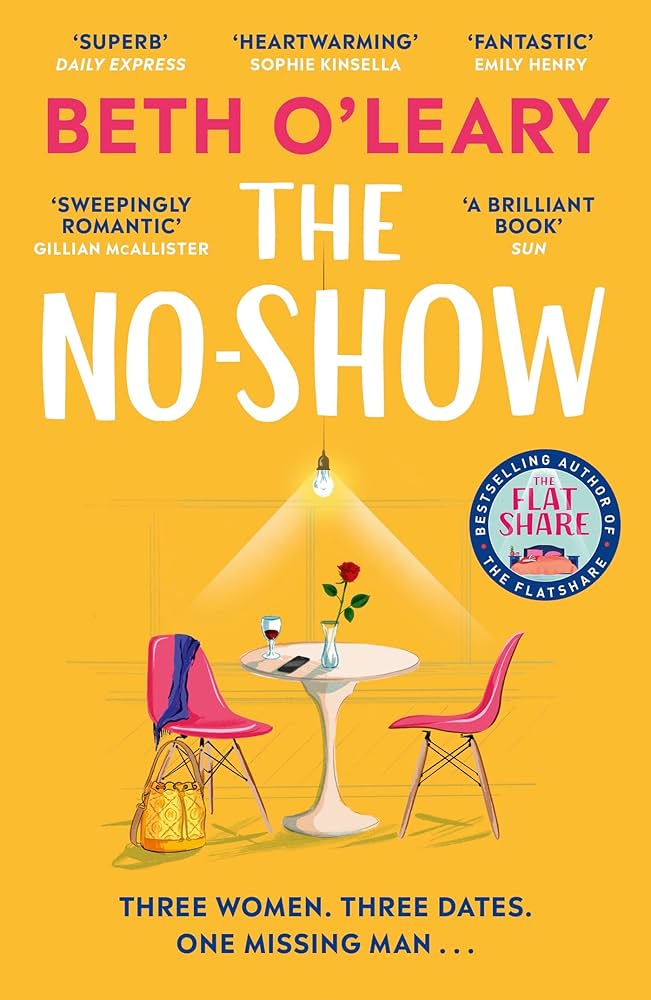
    Favourite Book of February: The No-Show by Beth O’Leary

    Like last month, I wanted to review my favourite book of the month that has passed, since it is now March. However, I have been a bit too enthusiastic in writing my review for Days at the Torunka Café right after finishing it, because now it turns out to be my favourite book of February. But, never fear, I have read many great books so I decided to review my second favourite book of February which was The No-Show by Beth O’Leary.

    I have mentioned O’Leary’s books multiple times already on my blog, but that is because I truly enjoyed all of the books I have read by her so far. The storylines are original and her characters unique, displaying both depth and growth. The No-Show was no different, and it is also the first romance book I read that had a big plot twist in it.

    When three different women get stood up by the same man on Valentine’s Day, you are not inclined to like this man. Siobhan has a breakfast date with Joseph, Miranda is waiting for her boyfriend Carter at a lunch place, and Jane needed a fake date to her colleague’s engagement party, for which she asked Joseph Carter. The story involves three very different women, whose only similarity is that they get stood up by the same man.

    What I enjoyed so much about The No-Show, is that O’Leary creates a situation in which the readers cannot easily root for the male protagonist, but eventually warm up to him. It is hard to give my full thoughts on it without spoiling the book, but when going in to it, you know that it is a romance book. As I read about Joseph’s situation with all three women, I kept thinking: there has to be an explanation for this, right? All the while believing there was to way O’Leary could write her way out of this situation.

    Like all of her books, the characters were well fleshed out, and I was rooting for everyone to get their happy ending. Siobhan is the first character we meet, and she is fierce, passionate and fiery, a real go-getter. Miranda is similar to her in that aspect, since they are both very strong characters. Her occupation as a tree surgeon made her really cool in my opinion, and I enjoyed the interactions with her co-workers. She has a softer side as well, which is something she shares with Jane who is a real sweetheart. She is kind and more introverted, set in her routines, but that is because she has some bagage from her past. Finding this out feels like a plot in itself, but it was also wonderful to see how the people around her cared for her and wanted her to get out of her shell. While they all go through an evolution, Joseph is the character who grows the most. While he comes across as chaotic, and sometimes deceitful, he is going through hardships of his own and in the end I found him a very likeable character.

    The side characters added to the plot and showcased different types of relationships and what they can bring: love, friendship, family, colleagues, hardship, loss, forgiveness and growth. As a reader, you can see the compatibility Joseph has with each of these women, and at times I didn’t know who to root for. The plot makes it so that you don’t know what to think the entire time, and while it can seem like there is no good possible ending, it all works out.

    If my review of the book intrigues you, don’t wait any longer to give it a chance, because it really is worth your time.

  • Book Review: Days at the Torunka Café

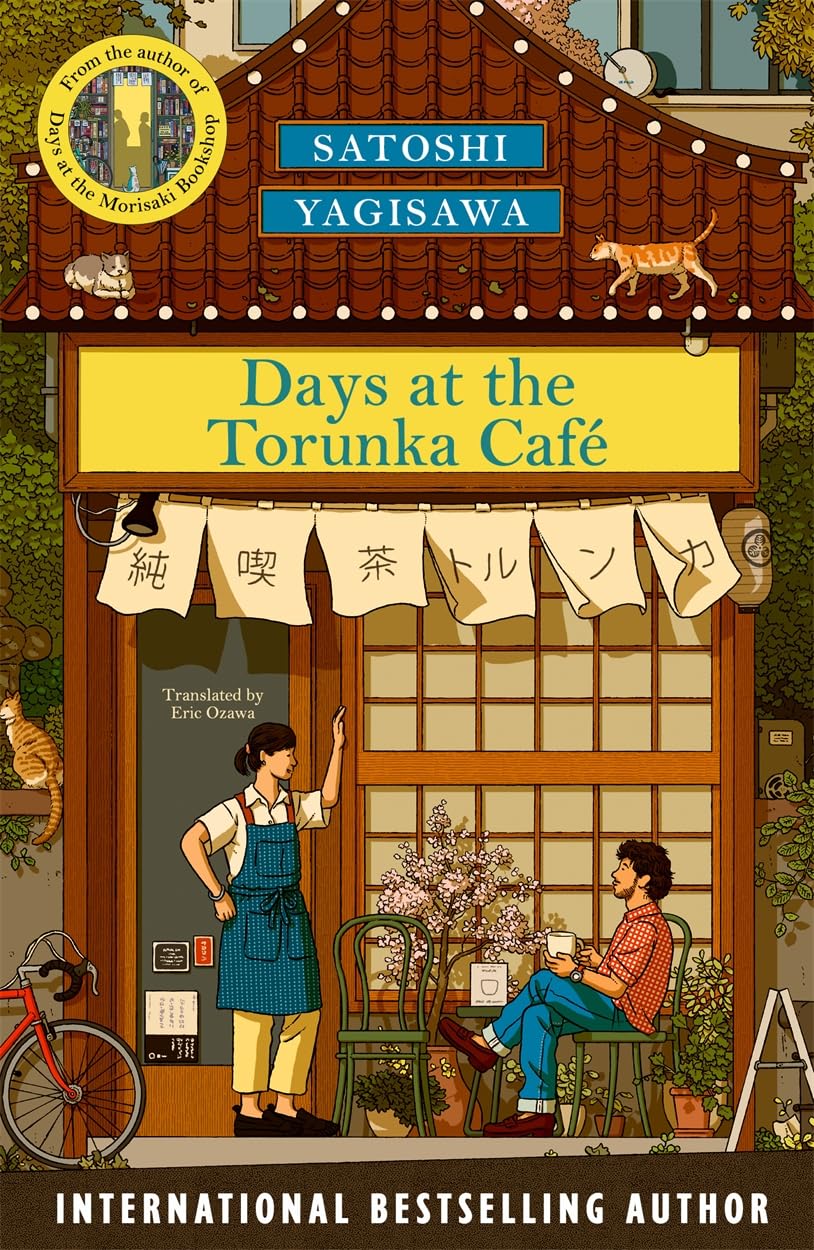
    Book Review: Days at the Torunka Café

    A 224 pages long warm hug

    Welcome at the Torunka Café, a hard to find coffee place, nestled in an alleyway that branches off of the market street. People who are meant to find the place, will see a tabby cat, that they only have to follow to stumble upon this haven of peace. The Torunka Café is a place where its denizens can quiet their mind, where the proprietor pours a delicious cup of coffee, where his daughter’s enthusiasm mesmerises customers and a part-time student completes this three-headed team.

    Three stories, following different characters, show how lives that have crossed in the past and grown divergent, can join again at the right time. The writing style is quite simple, which symbolises the contents in a way. The Torunka Café shows the daily lives of both customer and barista, which are relatable since most of us lead simple lives. There is a real comfort in following people who have a normal job, worry about small things, make mistakes and try to rectify them, and seeing them finding their way.

    The stories show snippets of people’s lives, with flashbacks to give context, but some things are left open-ended, which I usually don’t like, but for this novel it really fit. Though I found the events intriguing and I wanted to know what happened, the real magic happens in the message conveyed. In a culture where hard work, making promotion and earning money is the standard, Days at the Torunka Café offers comfort in knowing that there is another option. It shows the merits of slowing down, living consciously and enjoying the small things, like a cup of coffee, and the things that really matter, like the people around us.

    Reading a book like this is perfect when life feels cluttered, stressed or unsure. Yagisawa gives his readers the same feeling of comfort, company and peace as customers receive in the Torunka Café. There is a sentence on the back of the book that perfectly sums up the core of this beautiful novel:

    “While the Torunka Café serves up a perfect cup of coffee, it provides these sundry should with nourishment far more lasting. Satoshi Yagisawa brilliantly illuminates the periods in our lives where we feel lost – and how we find our way again.”

    If you decide to pick this book up, my advice is to grab a cup of coffee, savour every page, and enjoy.

  • Favourite Book of January: Frank & Red by Matt Coyne

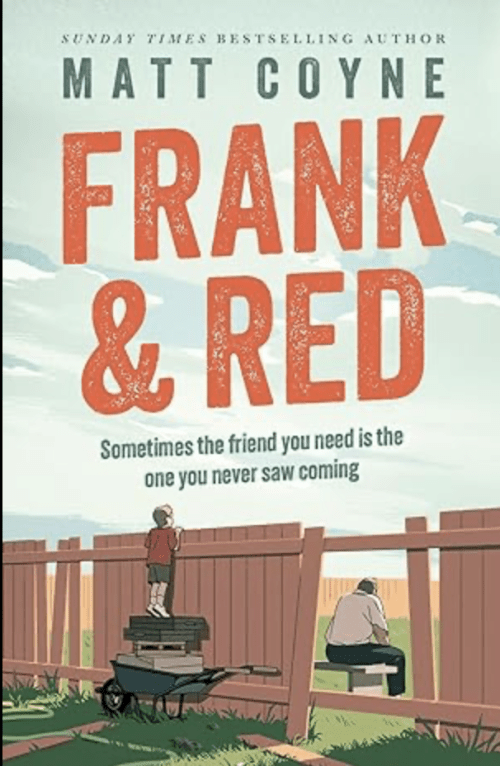
    Favourite Book of January: Frank & Red by Matt Coyne

    At the end of every month I like to look back to see what my favourite book of the previous month was. While it can be difficult to decide, January had a clear winner. Frank & Red is a beautiful story about a grumpy old man and an enthusiastic six year old with a trampoline. Not only was it my favourite book of January, but one of my new favourites of all time. Not only did it check the two measures I have for easily deciding if a book has made an impact on me, which are making me cry, and occupying my thoughts for a significant time after finishing it, but it had so much more. Vulnerable characters that find their way to a little corner of your heart? Check. Real human connections? Check. A book that makes you wish characters were real so you could give them a big hug and tell them everything will be allright? Check. Matt Coyne has made an impression on me with his debut novel and I intent to read a lot more by him. 

    The story follows an old man, Frank, whose deeply rooter sorrow in losing his wife has made him secluded and a real grump. One day, six year old Red moves in next door with his mom, since his parents just got divorced. They are both struggling in their own way, and find unexpected companionship in each other. Despite Frank’s reluctance to let Red in, the latter’s persistence eventually warms the old man up. Red wriggled his way into Frank’s heart the same way this book and its characters did into mine.

    While the novel has a strong plot that kept me intrigued, especially in the second half, Coyne’s real strength lies in his character work. Both of the protagonists are round, fleshed-out and go through an inner transformation. While the initial premise can be seen as stereotypical, grumpy old man meets happy kid who turns his life around, the characters overcome these stereotypes as we learn more about them. This goes beyond the two protagonists, as we also see how Red’s mom is struggling to provide her son with a stable and happy home, while going through her own life changes after divorce. Even Red’s classmates who don’t appear in a lot of the novel, feel like more than side characters towards the end.

    Coyne portrays different human connections: between a parent and a child, husband and wife, friends, neighbours, classmates and even strangers. Every connection feels very real, and characters are vulnerable because we can see the person behind the facade. The combination of character work and realistic human connections is what made this book so wonderful for me and why it has stayed with me since the last word.

    I think it is great for people who enjoy Frederik Backman, since it reminded me of A Man Called Ove. However, both are incredible in their own way and have a unique take on the premise. If you like reading about vulnerable characters, seeing them overcome their challenges, connect to each other and you want a story that warms your heart, you should pick up Frank & Red. And if you do, please let me know your thoughts.