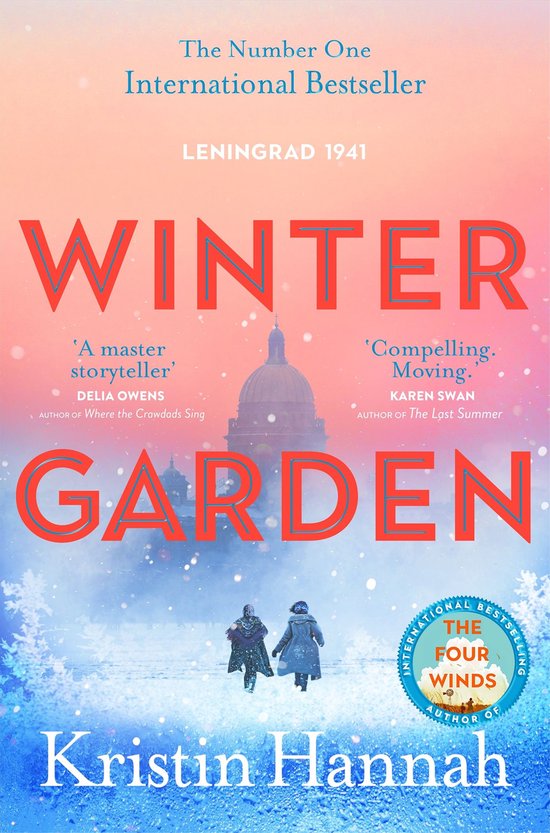
With all the times I have mentioned Hannah and her books on my blog, it is strange that I have only one review of her posted. The most recent book I read by her is Winter Garden, a book about The Great Terror and War in Russia.
The story follows a dual timeline, the first one set in the present. Sisters Nina and Meredith are completely different from each other, and after the passing of their father, it feels like their family is falling apart. Their mother has been cold and distant their whole life, the only exception being when she used to tell her daughters a Russian fairy tale. Now that the three of them are left, they seem to float away from each other, except that they made their dad a promise on his deathbed: Anya would tell the fairy tale, but this time the whole story. Both sides are reluctant at first, but when Anya finally starts to talk, the whole story pours out in bits and pieces. The girls come to realise that this is no ordinary fairytale, as they slowly uncover their mother’s past in Leningrad Russia, during the siege. As they near the ending, they will discover if the heartbreak is too great to bear, or if the unveiling of the secrets will finally bring them closer together.
For the first time ever after finishing a Kristin Hannah book, I am torn. On the one hand, the story of Meredith, Nina and their mother moved along really slowly, and though I usually like this since it gives you time to really get to know and connect with the characters, it felt a bit too slow for me. On the other hand, I was completely enraptured with the story of Leningrad, which made me fly through the book as a whole, because I always wanted to get to those parts of the story. While Hannah’s strength lies in carving out complete and rich characters and making you connect to them, Anya in the past felt like a completely different person from Anya in the present. I couldn’t connect to the woman telling the story. As we get further into the ‘fairytale’, we learn more about how she came to be like this and the trauma she went through. My heart really broke for her in that part of the story, and I understand how events like that can completely change a person.
However, I found the ending a bit difficult to grasp. It filled me with a lot of sadness, for obvious reasons I cannot say without giving away spoilers, but also for the years lost with Nina and Meredith. The relationship with their mother has always been very cold and difficult, and though her story does give an explanation for her behaviour, I don’t feel like it makes up for it. She was able to open up to her husband, but not to her daughters until it is almost too late. Nina and Meredith show a lot of compassion and understanding for their mother after hearing what she went through, understandably so, but the book made it seem as if this erased all of their previous suffering, which I didn’t find as realistic. It all felt resolved in the end, while I think some degree of complex feelings would remain.
That being said, this was the only thing that bothered me while reading this book, because as I said before the historical part of the novel was wonderful. The descriptions felt incredibly vivid and my heart breaks for anyone who lived through this, anyone who has family or friends who lived through this, or anyone who is going through something similar. reading books like these allow me to learn more about the world and history, which is incredibly important and gives me a better understanding of other people.
I have not read a single Kristin Hannah book that I have not thoroughly enjoyed, and although this one is not my favourite by her, it is still no exception to this. I would highly recommend it to anyone who is interested in this part of history and who enjoys an intense character build-up.
I have been posting on my blog for a few weeks now, and I thought it could be a good idea to expand on my personal book taste. That way, you know if my taste aligns with yours and if any recommendations I give would please you too. Preferences are so personal, that someone can recommend a book with all of their praise, but someone else can think it is the worst book they have ever read. Therefore, in this article, I will highlight the genres I enjoy reading, some of my favourite authors and books and some extra things that define my book taste. Hopefully you can still find some common ground and enjoy my future reviews and recommendations.
Genres
This is the most difficult category for me, since I enjoy a lot of different genres and as I get older my preferences change. Although I don’t have a favourite genre and it switches throughout the year in terms of what is going on in my personal life, I feel like lately anything fiction-adjacent has been at the top. Let me expand on this vague description. While I do occasionally read books that are fully contemporary fiction, I enjoy books with a mix of genres far more. For instance, I recently read and loved The Future Saints by Ashley Winstead (review to come), which is classified as literary fiction, contemporary fiction, music fiction and rockstar romance. Another example is Promise Me Sunshine by Cara Bastone, which took me so completely by surprise that I cannot stop talking about it. I initially expected this to be a contemporary romance, which is not untrue, but a very prominent part of the book leans closer to emotional fiction than romance. These are the books I thoroughly enjoy. As you can find out from going through my blog, Kristin Hannah is heavily featured on here, which is because she is heavily featured on my list of favourites as well. She writes both contemporary and historical fiction, the latter one of my favourite genres as well because it allows me to travel through time and learn more about other cultures. Another genre I have discovered recently is healing fiction, but I want to dedicate an entire post on this genre soon, so I won’t expand too much on it here.
I have always been a thriller reader as well, which I like to switch up with some heavier books to have variation between easy breezy reads and more dense books to dive into and analyse. Some of my favourite fiction authors are Riley Sager, Lucy Clarke and Freida McFadden, who have never let me down with one of their books yet.
While I don’t read too much fantasy, I do enjoy the genre occasionally, and once I get sucked into a world I am there to stay. Sarah J. Maas is one of my all time favourite authors, and although I have never read any fantasy like her books, I have found some other great reads to sweep me away from reality for hundreds of pages at a time.
Finally, classic books will always have a special place in my heart as well, although I believe a classic book is not the genre of the book. There are thrillers, romances, sciencefiction, satires and many other genres that make up the list of classical books. That being said, I did want to include them in books I like to read, because people often view them as a separate group. As a literary major, I have read and analysed a lot of the most ‘famous’ books, and after graduating I have slowed down in reading these. I thoroughly enjoyed delving into analyses in class and learning more about the books, authors and time periods than I ever could by reading them on my own, but I have come to realise that I don’t need to pressure myself into understanding every hidden meaning or commentary, as long as I just enjoy the book. Therefore, I have a number of classics that I haven’t yet read on my list to read soon.
While these are the genres I read most often, I dabble in many more occasionally. I recently read Project Hail Mary, which is a sciencefiction novel and my favourite of the month. Andy Weir has now expanded my list of books to read by writing such a masterpiece, because obviously I now have to read his other books as well. I have also started to read more non-fiction lately, mostly memoirs, but I am open to exploring more.
Authors
This is such a difficult list to set up, because I have read and loved so many books. For the purpose of not making this article too long, I have listed the ones I thought of first and authors I have read more than one book by, the only exception is when they only have one book out yet (because I had to include Matt Coyne). I will add them in list form, because I simply cannot expand on them all if I don’t want to keep writing until tomorrow.
Sarah J. Maas
Kristin Hannah
Matt Coyne
Beth O’ Leary
Freida McFadden
Riley Sager
Cara Bastone
Jane Austen
Jessa Hastings
Jennifer Saint
Emily Brontë
Shakespeare
Katy Brent
Elin Hilderbrand
Fredrik Backman
Emily Henry
M.J. Alridge
Abby Jimenez
Lynette Noni
Louisa May Alcott
Various
Here are some things I love, either in books or about books without too much extra context. Firstly, I love fleshed out characters that show growth, no matter what genre they are in. When I get to connect to characters in a way that makes me sad the book is over because I miss them, I know it is a great book. What truly makes a book stand out to me besides its characters, is its depth. Lately I have been reading books that either explore some more difficult topics like grief, or show different sides of humanity when put in different situations, and these are the stories I love. Reading makes us understand other people better, because we see things we would never encounter in real life. While I enjoy some books to take me out of reality and whisk me away in a world of adventure, drama or fantasy, I also enjoy books grounded in humanity that show hopeful stories of heartfelt and true connections.
While I can keep going, there are too many things to list and I don’t want my post to go on forever. This article is like a moment in time for me, because if I revisit this in a few years’ time, I am sure my feelings and tastes have changed once again. If after reading this article, you have any tips or recommendations for me of books you think I would love, please let me know down below.
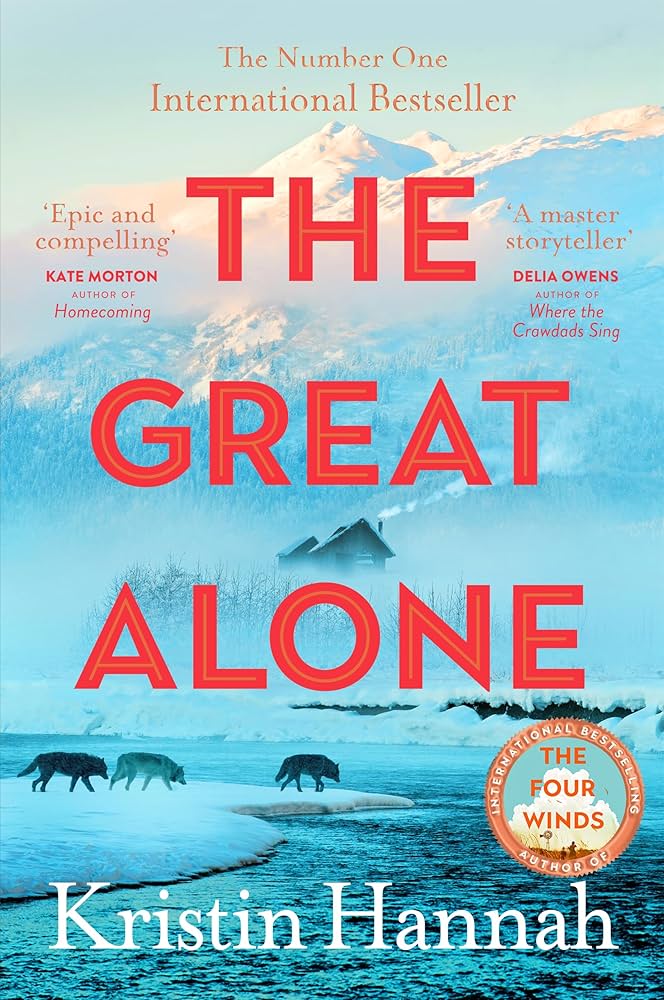
It will come as no surprise that Kristin Hannah is one of my favourite authors. With nine of her books read so far and two of them twice, her writing has ensured me that I will enjoy every on of her books and that I will cry at every one of her books. It is far too difficult for me to pick a favourite out of her masterpieces, but there are two that I have read twice already, and one of them is The Great Alone. It is a beautiful story about strength and resilience, and the beauty of Alaska is highlighted in such a wild and untamed way that feels refreshing. There are many themes, metaphors and things to discuss, so let’s get into it.
Plot
Lenny and her parents have been moving around ever since her father has come back from the war. The country is changing and so is her father, Ernt, whose restless spirit prevents the family from finally grounding somewhere. This time, he has inherited a plot of land from a friend up in Alaska, and he promises this is the fresh start they need. Away from the politics, away from the protests, away from the people ruining the country and away from society. The land of Alaska is wild, and living there is not for the fainthearted. But slowly, the three find their way in their new environment. As they learn to live from the land and self-provide, it seems her Lenny’s father is finally happy and their new home looks to be permanent. However, beautiful and wild as Alaska is, the outside sometimes reflects the wildness from within and when winter falls, darkness is all-encompassing. As Ernt’s mental state starts to deteriorate worse than ever, Lenny and her mother realise they will soon find out what is worse: the threats from the outside, or the dangers from inside.
Themes
There are a few themes that are quite prevalent in the book and that are important to the plot. For instance, the opposition of community versus self-sufficiency. When the family arrives in Alaska, they come there to live away from society and provide for themselves. At the same time though, they are wholly unprepared for what it truly takes to survive in the last frontier, and heavily rely on the help of the local community. Everyone comes together, helps build sheds, shares and trades foods and materials. So although people leave the masses behind, these places have the strongest communities I have ever read about. I found it perfectly showed how quality of relations is much more important than quantity, which was portrayed beautifully with the people of Kaneq.
Another important theme is resilience, which goes hand in hand with strength. These people have to be extremely tough to survive in extreme circumstances of darkness, cold and danger. Things don’t work from the first time, and new challenges arise every day in Alaska, which is where the people’s resilience really comes to the fore. Lenny and her mother especially deal with more than just their environment in surviving, but their strength and character makes them fit right in with the Alaskans. These two themes go hand in hand, because strong people can build an even stronger community, and a tight community with people helping and teaching each other makes for smart and resilient people.
Finally, I found symbolism in this book, a theme that heightened the reading experience. What Phoebe said about Wuthering Heights in Friends, applies for The Great Alone as well. The wildness of the land is clearly reflected in Ernts character, made even more apparent by the clear influence of the seasons on his mental state. When the days are long and the land flourishing, he is more patient and forbearing, but when winter starts creeping up the darkness creeps inside their home as well. This connection between Ernts character and the land made it more tangible for readers and conveyed the direness of the situation Lenny and her mother found theirselves in.
The Great Alone is another clear hit for me. It shows the strength people can find in themselves, the beauty of uncontrollable land and the unforgiving nature of, well, nature. How much forgiveness should we show the people we love, and what is the final straw that makes us say, no more? As all Kristin Hannah’s books, this is not merely a story about a family moving to Alaska, but rather a story about people coming together, building a community, and strong relationships. Beware, because it is a tearjerker, but one that will open your eyes to the beauty of the wild.
One of the things I enjoy about reading is that it allows me to continually learn new things. The genre that lends itself the most to this, aside from non-fiction, is historical fiction. This article will take you around the world and through history via some of my favourite books. From 1860s Japan, through World War II in Europe to America in the late nineteenth century. Buckle up, grab a camera and get ready to travel through time.
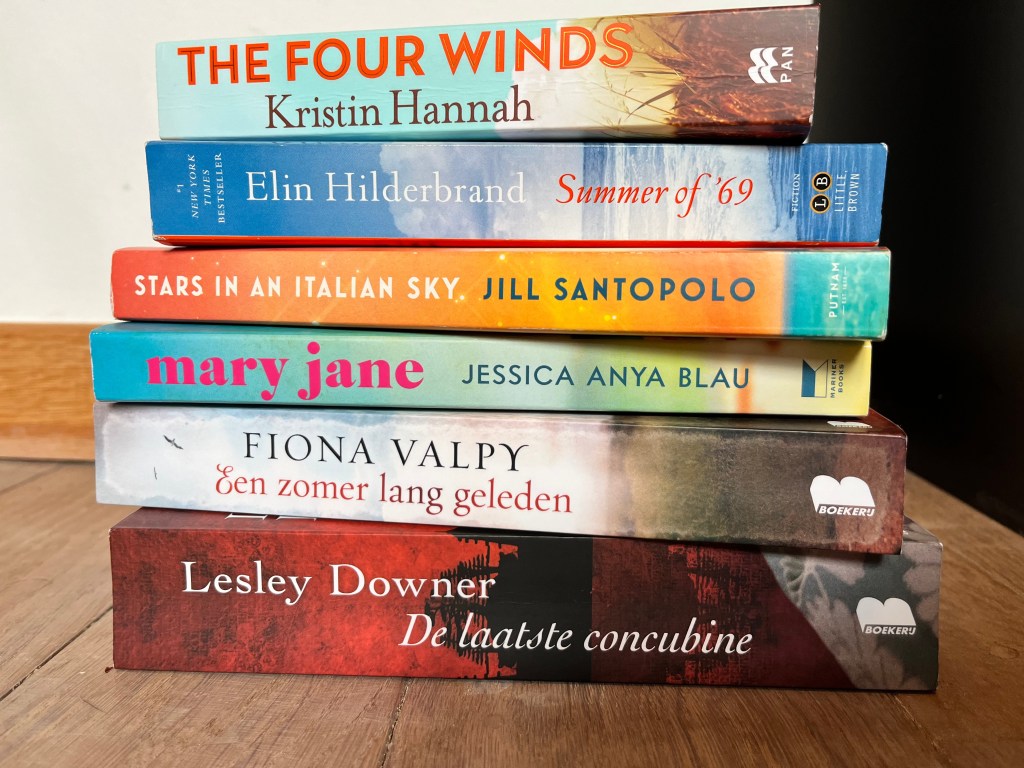
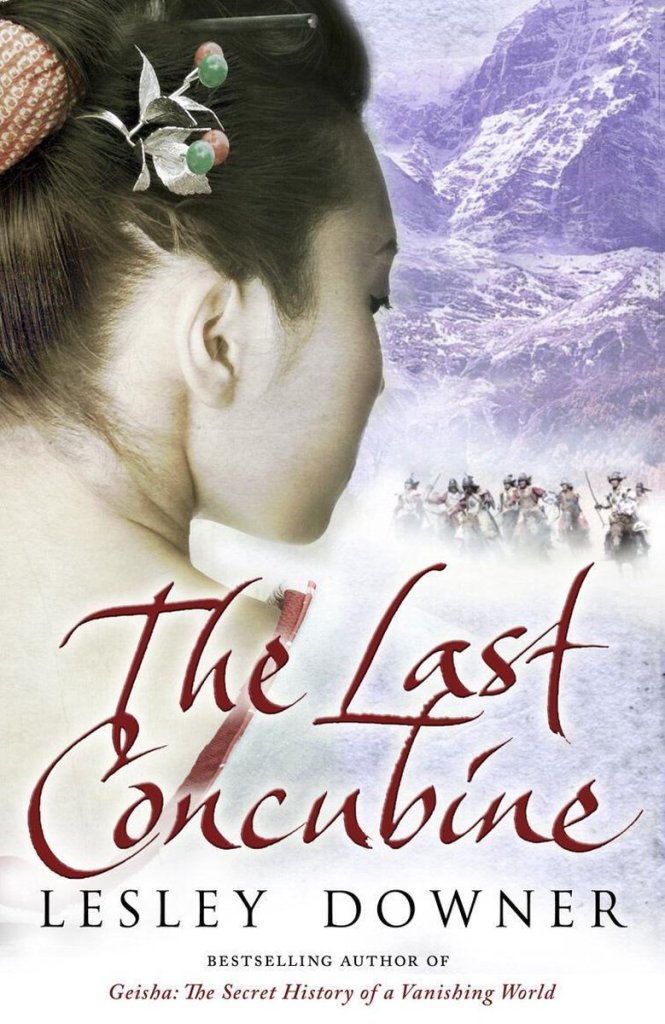
1 The Last Concubine by Lesley Downer
This book takes place in 1860s Japan and follows eleven year old Sachi. When princess Kazu travels through a farmer’s village on her way to the palace to marry the Shogun, she notices Sachi. Kazu decides to bring the girl along as her servant, confidante and to eventually offer her as a concubine to her husband. The Last Concubine is a beautiful story, intertwined with Japanese history from the Edo time period. The novel largely takes place at the palace, portraying customs that are wildly different from western culture. Set against the backdrop of a changing country, you are emerged in a world where tradition has to make way for modernity.
Downer is a historic, has lived in Japan for over fifteen years and is fluent in the language. The novel is rooted in historical facts and taught me a lot about a time and place I hardly knew anything about.
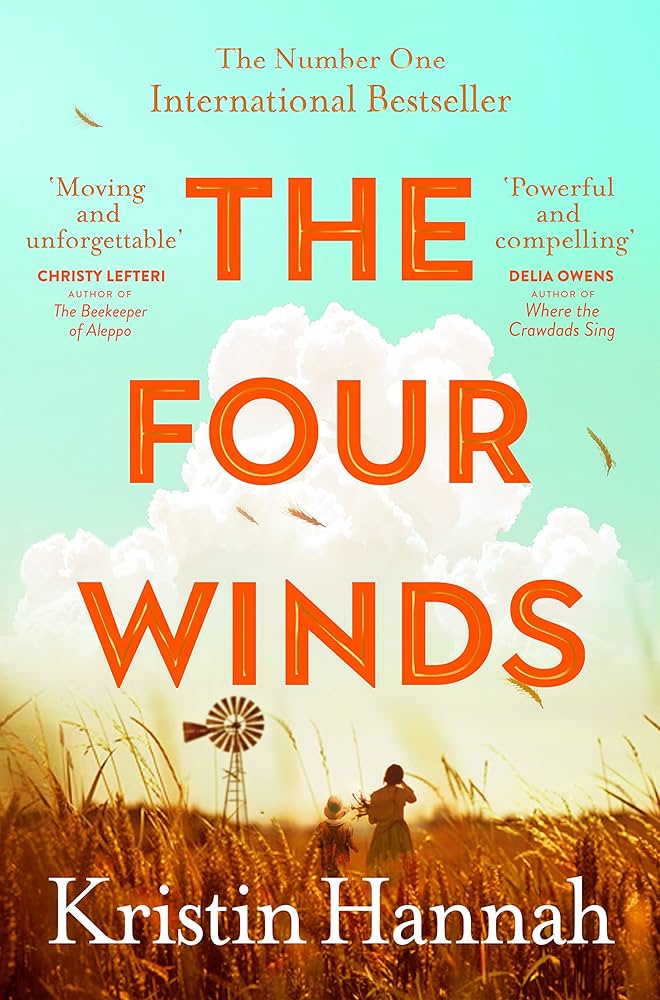
2 The Four Winds by Kristin Hannah
While Hannah has written multiple novels that take place in the past and feature specific time period and events, I chose The Four Winds. It centers around an important event in 1930s-1940s America and Canada that I previously knew nothing about: The Dust Bowl. In typical Kristin Hannah fashion, she weaves a heartbreaking story about adversity and resilience within the backdrop of this agricultural and environmental disaster that many people suffered from. The protagonist, Elsa Martinelli, has not had an easy start, but she has finally built the life she has dreamed about. Working on the farm of her in-laws is hard work, but finding a family and place to belong to makes it worth it. When tragedy strikes and a drought holds the Great Plains in an iron grip, Elsa is suddenly faced with making the hardest decision of her life. Does she stay at the land she loves but might prove unsalvageable, or fight for a better future for her children in California, a place described as paradise.
Reading this novel has given me so much awe and respect for the strong people who lived through this, a hardship I can not even imagine.
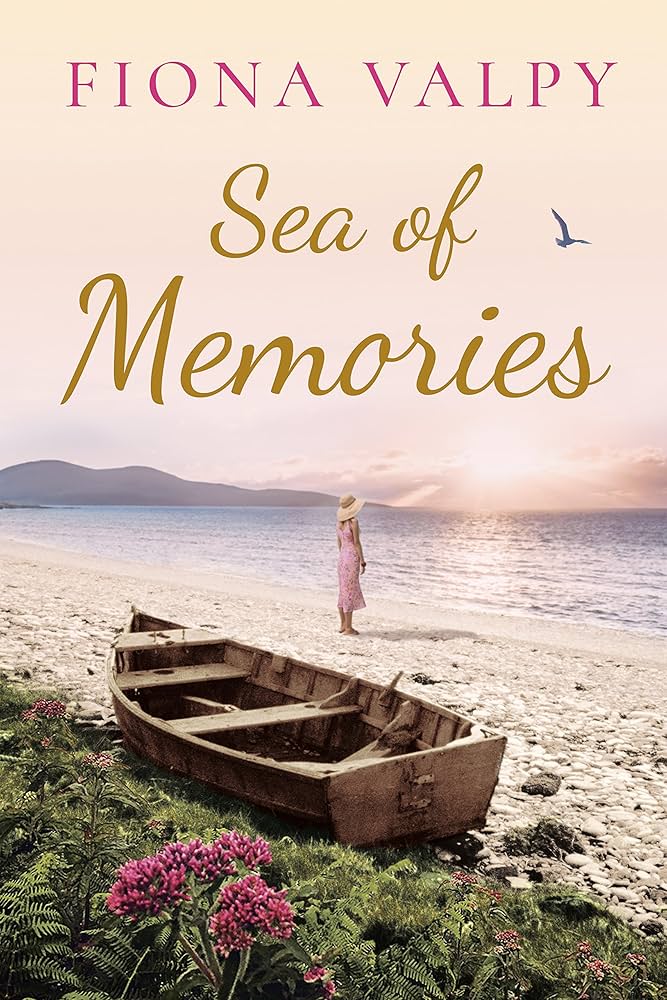
3 Sea of Memories by Fiona Valpy
World War II is one of the most popular historical fiction topics and therefore features twice in this list. Sea of Memories is a love story, set in both Scotland and France. It starts in 1938, when seventeen year old Ella is sent to a Île de Ré, A French Island. She meets and falls in love with Christophe, and as many of us do when we are young and in love, she feels incredibly free. The feeling is short lived however, as times are grim. With a war on the doorstep, Ella is called back to Scotland. Desperate to oppose, she stays and joins the French resistance. With hardship and war surrounding her, the summer with Christophe on Île de Ré only floats farther away.
Sea of Memories is a story that shows the incredible bravery of many people, when they had every reason to be scared.
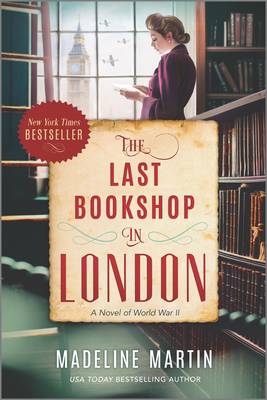
4 The Last Bookshop in London by Madeline Martin.
The story starts in 1939 and also centers around WW II, but this time it takes place in England. When Grace arrives in London, it isn’t at all what she had envisioned. War is on the doorstep and the only employment she can find is in a dusty bookstore, with a patron who is not keen to have her there. But when Grace discovers the beauty of reading and storytelling, she finds the strength to fight back.
The Last Bookshop in London is a story about coming together and building a strong community, even in the hardest of times. Portraying the power and endurance of literature, this book is perfect for all readers.
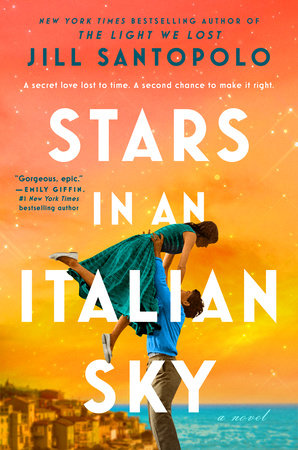
5 Stars in an Italian Sky by Jill Santopolo
This story is told in a dual timeline, partly taking place in 2017 New York, and partly in 1946 Genoa, Italy. When Vincenzo and Giovanna fall in love, they believe their differences in descent is the greatest obstacle. He is the son of a count and she is the daughter of a tailor, but their connection is so strong that they do everything to make it work. When political tensions rise in their country, the young lovers realise that their differences are even greater, and betrayal from both sides shatter their love, and future with it. Dozens of years later, an engaged couple in New York bring their grandparents together to pose for a painting. When past and present come together, secrets come to light once more and everything changes.
While Stars in an Italian Sky is more on romance than some other historical fiction books, I still enjoyed learning about the time period and events that formed the backdrop to this novel. The period after WWII was still a difficult one, with political unrest throughout Europe. While some choices seen easy from an outsider’s perspective, this story shows that every decision has consequences. When in a different position, we might also choose differently.
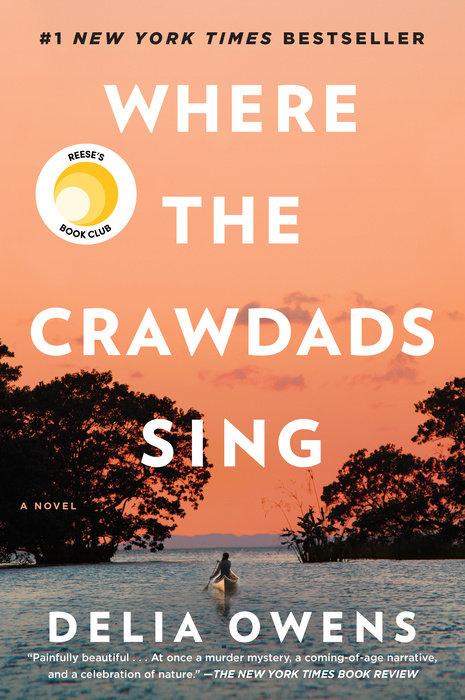
6 Where the Crawdads Sing by Delia Owens
In 1952, Kya is six years old. Her mother and her older siblings leave their home to get away from an abusive and alcoholic husband and father, but they don’t take her with them. Living isolated in the North Carolina Marshes, Kya’s father teachers her to survive, but when he too eventually leaves, she is left to fend for herself. Growing up away from society, as an outsider, Kya faces prejudice and harassment from the community. The older she gets, the more she has to battle her own desires to both be free from societal norms, and to belong and be loved. When a young man is discovered dead, locals immediately suspect the wild naturalistic girl, who will have to fight the prejudice to clear her name.
While this coming of age story does not feature any particular historical events, the period it is set in frames the story and draws a clear picture of what that time was like.
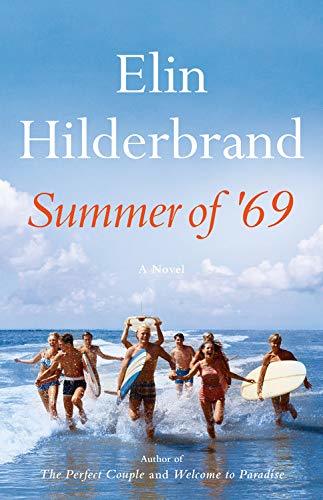
7. Summer of ’69 by Elin Hilderbrand
True to the title, this story takes place during the summer months of 1969. The novel follows the different members of the Levin family on Nantucket, as they go through changes fit with their age, while also adjusting to a tumultuous time in the world. Blair is going through a twin pregnancy, while her sister Kirby is swept up in the civil rights protests, their brother Tiger gets drafted and deployment to Vietnam and thirteen year old Jessie feels lost without her siblings. The effects of a changing nation are visible throughout this novel, while the Levin siblings go through their own dramatic changes.
Reading Summer of ’69 was like travelling back in time through a photograph and living in that year for 448 pages long. Enchanting and immersive, Elin Hilderbrand has captured one of the most turbulent summers in American history in a gripping novel.
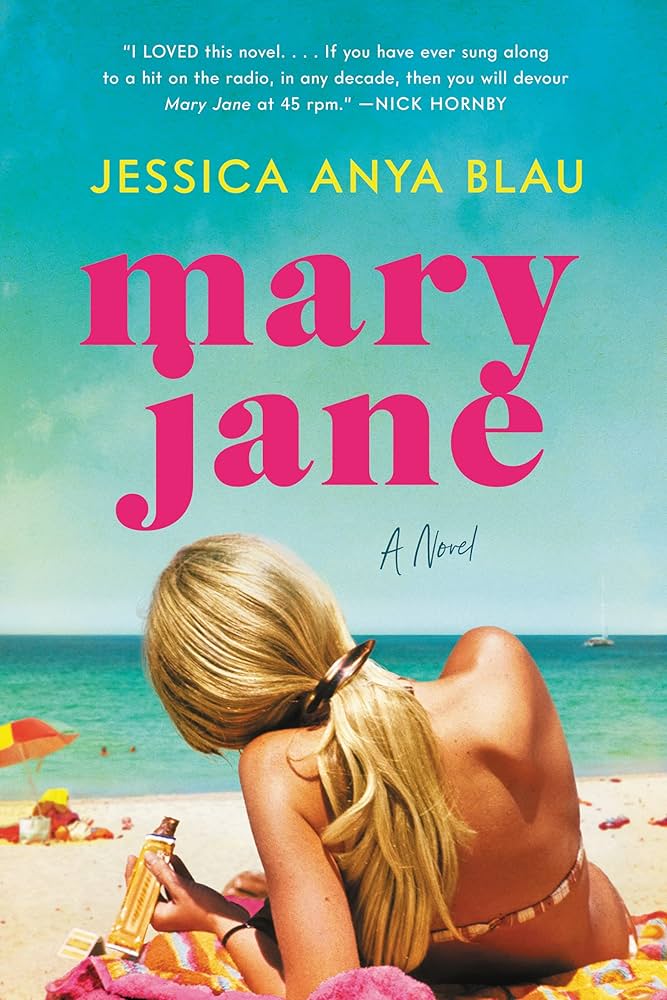
8 Mary Jane by Jessica Anya Blau
Similar to the previous two recommendations, Mary Jane does not so much feature one specific historical event as it portrays the culture and the way of life of a broader time period in the West. Set in 1970s Baltimore, the novel follow fourteen year old Mary Jane as she discovers the world outside of her community, through her first summer job. Her mother is as glad as her daughter when she lands the respectable job of nanny for the daughter of a local doctor. Respectable as they might look from the outside though, the Cone could not be more different from Mary Jane’s own family. While she introduces the Cone’s to home cooked meals, crisp and clean laundry and milk that does not spoil, they introduce her to the world of sex, drugs and rock ‘n roll. The more time she spends with them, the more she falls in love with their family and way of life, and starts to develop her own identity. As the summer goes on, it gets harder to keep her parents in the dark about what goes on in the Cone household. When summer comes to an end, will she be able to go back to her life before?
Mary Jane is a coming of age story of a young girl, growing up in changing polar times, and deciding who she wants to be.

 Toni's Book Corner