Classics have a reputation of being hermetic, complex and too hard to understand. There are a product of their time, and it is true that some are difficult to fully grasp without historical and political context to make the book make sense. For instance, I have read some postmodern literature during my studies, and having deconstructed, fragmented stories was a product of a disillusioned time period, but feels like a complete fever dream when reading them. While older texts are often written in less ‘fluent’ and sometimes more archaic language, many of these books we now call classics are so because they were popular at the time as well. Some were written for an intellectual elite, but many were written for and loved by the masses. After all, many books that we are reading today will become classics for the future population as well. Everyone has a different taste in books, but these books are classics for a reason, so do not let yourself get discouraged by the status they have and dip your toe in the masterpieces of the past. In this article, I will give you five tips on where to start if you want to read some classics, and I will finish off with some accessible recommendations.
Don’t put pressure on yourself
If you are only getting into classics or want to read more complex books, there is no need to pressure yourself in terms of understanding everything. There is no need to excavate every layer or hidden message in a book, just because other people have said there is. A book can have many layers, and if you read and enjoy it just for the plot without figuring out a possible message the author wanted to convey, that is completely fine. You read for yourself, not for anyone else.
Familiarise yourself with the time period
Looking up some key elements about the time period a book is either set in or written in, can make the reading experience more enjoyable. Throughout history culture, politics and customs have evolved wildly and familiarising yourself beforehand can prevent some misunderstandings. You don’t need to perform a complete research of course, but just looking up the political context, the art movement and some key elements about the daily lives can go a long way. Depending on how much this interests you, you can research as much or as little as you like.
An ereader is your best friend
In terms of truly understanding the wording and phrases, it can be useful to have a dictionary at hand, and reading digitally makes it much easier. You can just select the word you don’t understand and look up the meaning while reading. That way you don’t have to put down the book, grab your phone or laptop and get distracted or lose the momentum you had. There are so many beautiful editions of classic books out there, but the ebooks are often very cheap, which is another bonus.
Read modernised versions of older classics
Some of the most well-known classics are centuries old and only slightly resemble modern languages. A great solution is to read modernised versions of these texts, as they are accompanied by a translation in the modern language and extra explanations. The best example of this is Shakespeare, but there’s also Beowulf, the legends of King Arthur or the Iliad for example, that have been translated many times. The latter three are adventurous tales filled with bravery, magic, excitement and love. As the greatest barrier to reading these is the language, modernised text versions are the perfect solution. Poetry is also a good example of this, since there are beautiful poems written that require a bit more explanation to fully grasp and appreciate them. A personal favourite of mine is the romantic poets, for which there are many texts that give more elucidation.
Choose a genre you enjoy
While classics is a catch-all term for books that have stood the test of time and have gained attention and popularity or have remained so, it is not an actual genre. Within the group of classics, there are many genres extremely similar to the ones we read today. Stick with what you know, and read a classic book in the same genre as what you already know and love. Here are some examples of books in different genres, that I find accessible to get into reading classics.
Mystery/Thriller
Sherlock Holmes is the perfect example of an accessible mystery from the 19th century. There are many books Arthur Conan Doyle has written about this famous detective, and some are short stories which is the perfect place to start. Conan’s stories and novels are engaging, immersive and perfect for fans of mystery and thriller books.
Similarly, Agatha Christie is one of the most accessible classic writers and she has written many mysteries. Murder on the Orient Express is arguably her most famous novel, but it is not the only one. Many of her books have been used as inspiration for other authors or other pieces of media. She has been dubbed the ‘Queen of Crime’ and with over 2 billion copies of her works sold, she is an immensely popular author. Her books are more recent than some other classics, so the way they are written is very similar to modern language and they are therefore perfect to get into classics.
Dystopian
There are many dystopian novels in the ever-expanding group of classics, but it is also a popular genre today. The Handmaids Tale by Margaret Atwood is a modern classic, published in 1985 and has received many awards for its significance. It is a staple in the dystopian genre and is obvious in its messaging which makes it easy to get into, especially if you are already familiar with the dystopian genre.
Another famous example is Animal Farm by George Orwell. Though 1984 by him is also very popular, it is longer and sometimes described as more complex, so I think Animal Farm is a better place to start. It is a very short book and uses animals to tell the historical event of the Russian Revolution and everything that followed. I do highly recommend looking this political context up before starting the book, but just knowing the basics will make you understand and appreciate Orwell’s exploration of this period.
Magical Realism
In stead of books I will recommend two authors for this genre, and those are Haruki Murakami and Gabriel Garcia Marquez. Murakami is still active as an author today and he is considered a modern classical author because his literary work has been so often praised and is globally considered as a staple in modern literature. While I have only read Iq84 by him, and immensely enjoyed it I might add, it is one of his longest works and therefore maybe not the best to get started on his publication list. With fifteen books and multiple short story collections already out, he is still writing, so if you enjoy magical realism I am sure you will find something on his publication list that you will enjoy.
I have never finished a Garcia Marquez book personally, because it was not my cup of tea, but I know many people who love his books and I can see why. His writing style is accessible and his novels are filled with emotions, written in the genre of magical realism, in which he is considered a master. His most popular titles are undoubtedly A Hundred Years of Solitude and Love in the Time of Cholera.
Romance and Literary Fiction
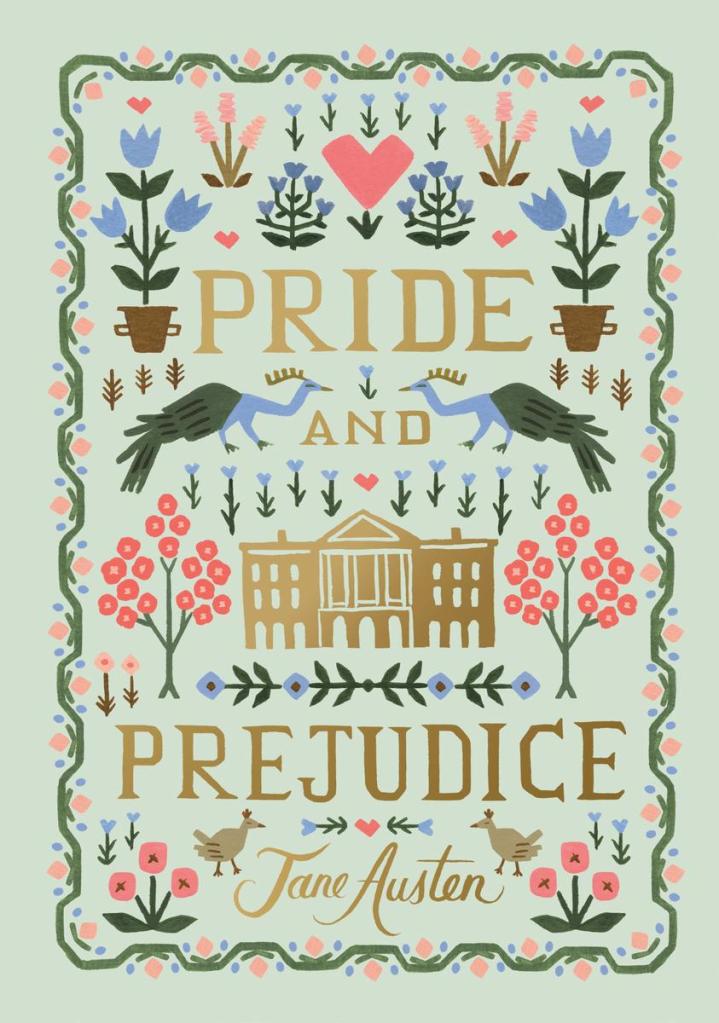
I have included these two genres together, because some of the books I will recommend here have elements of both. If you are a true romance fan, any Jane Austen work is the best place to start to get into classics. Her books were popular in their time because they are filled with love, affection and romance in the time they are set. While the language is a bit more archaic than today, it is still accessible and easy to get swept up in once you get into it. I can wholeheartedly recommend her books.
Little Women by Louisa May Alcott is considered one of the most famous classics of all time, and out of all of the books I have recommended, I think this is the most accessible to get started, because it was written as a children’s book. It is a coming-of-age story about four sisters, finding their way through life. It truly has something for everything, as it is filled with family, sisterhood, friendship, grief, identity and love. While love is a prevalent theme, I wouldn’t say it is the main storyline which is why the book is not classified as a romance, but I do believe that you will enjoy this book immensely if you love love.
Finally, I want to recommend the Great Gatsby, which despite revolving heavily round love has a more tragic tone to it. It is more literary fiction, but still perfect for romance fans as love is the driving force of the protagonist. It is also quite a short book, so it is not daunting to get into it and the beautiful story will reward you handsomely.




 Toni's Book Corner